TR
TR
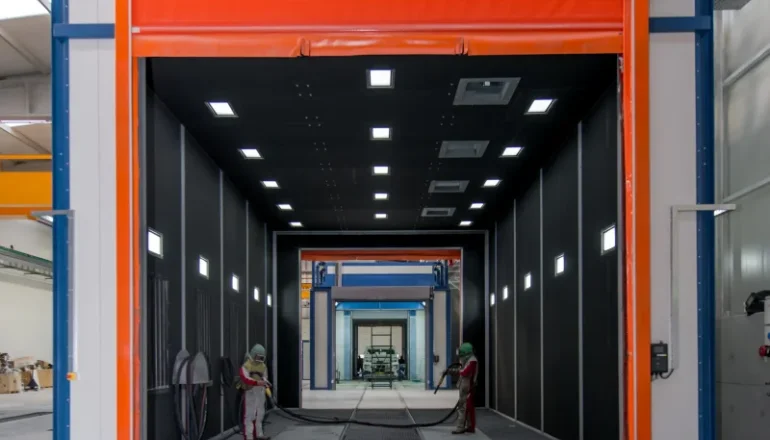
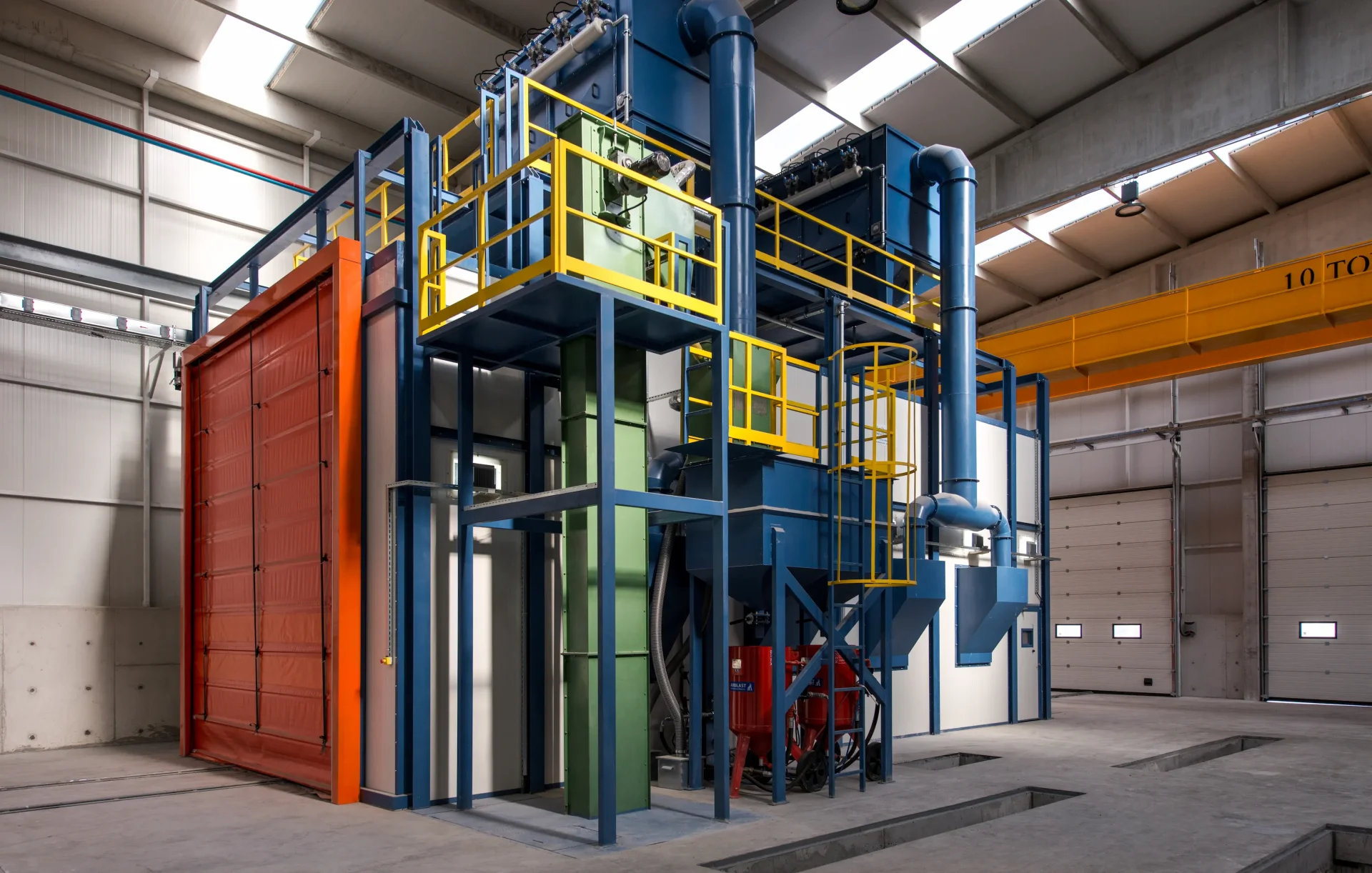
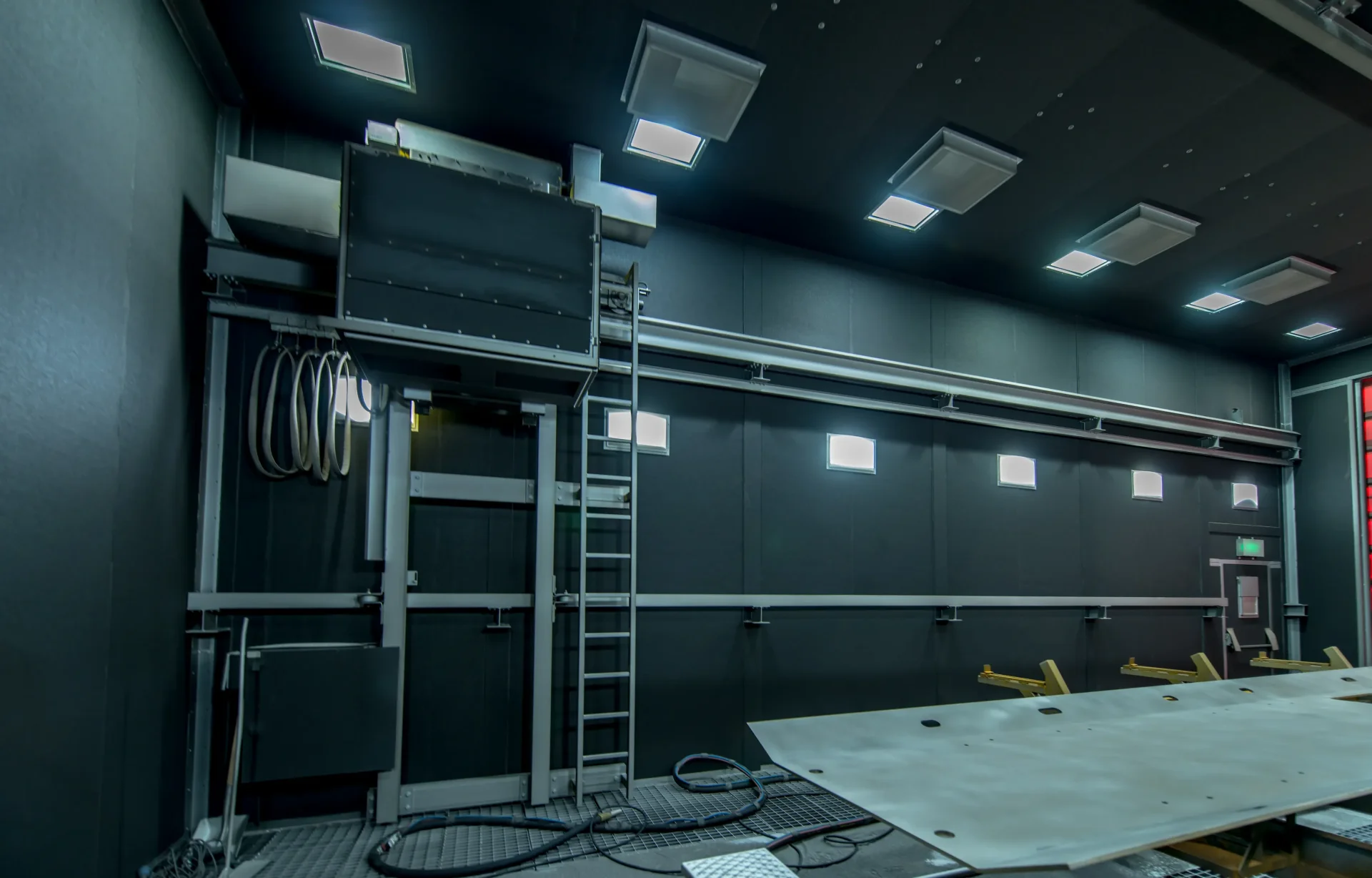
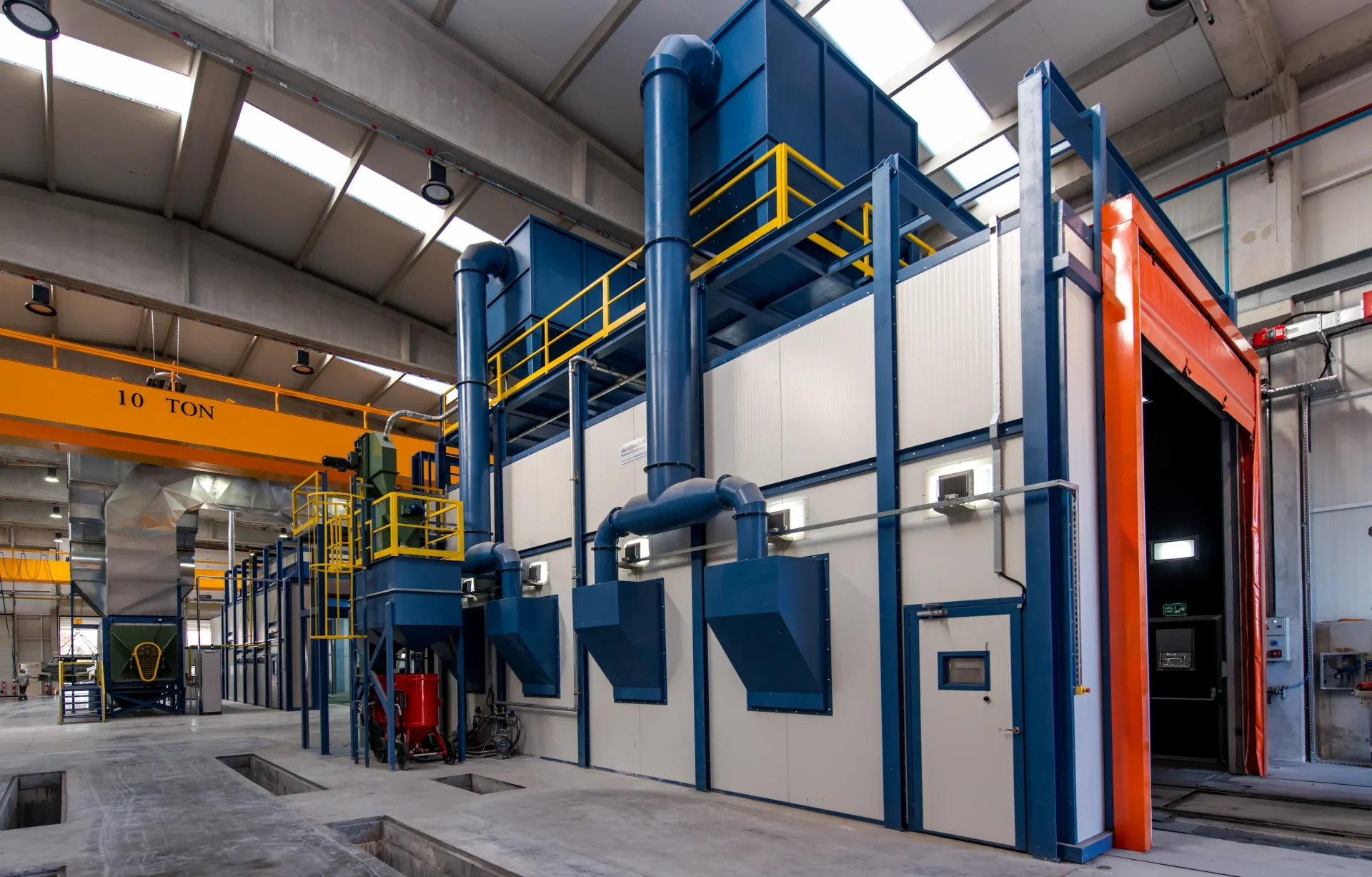
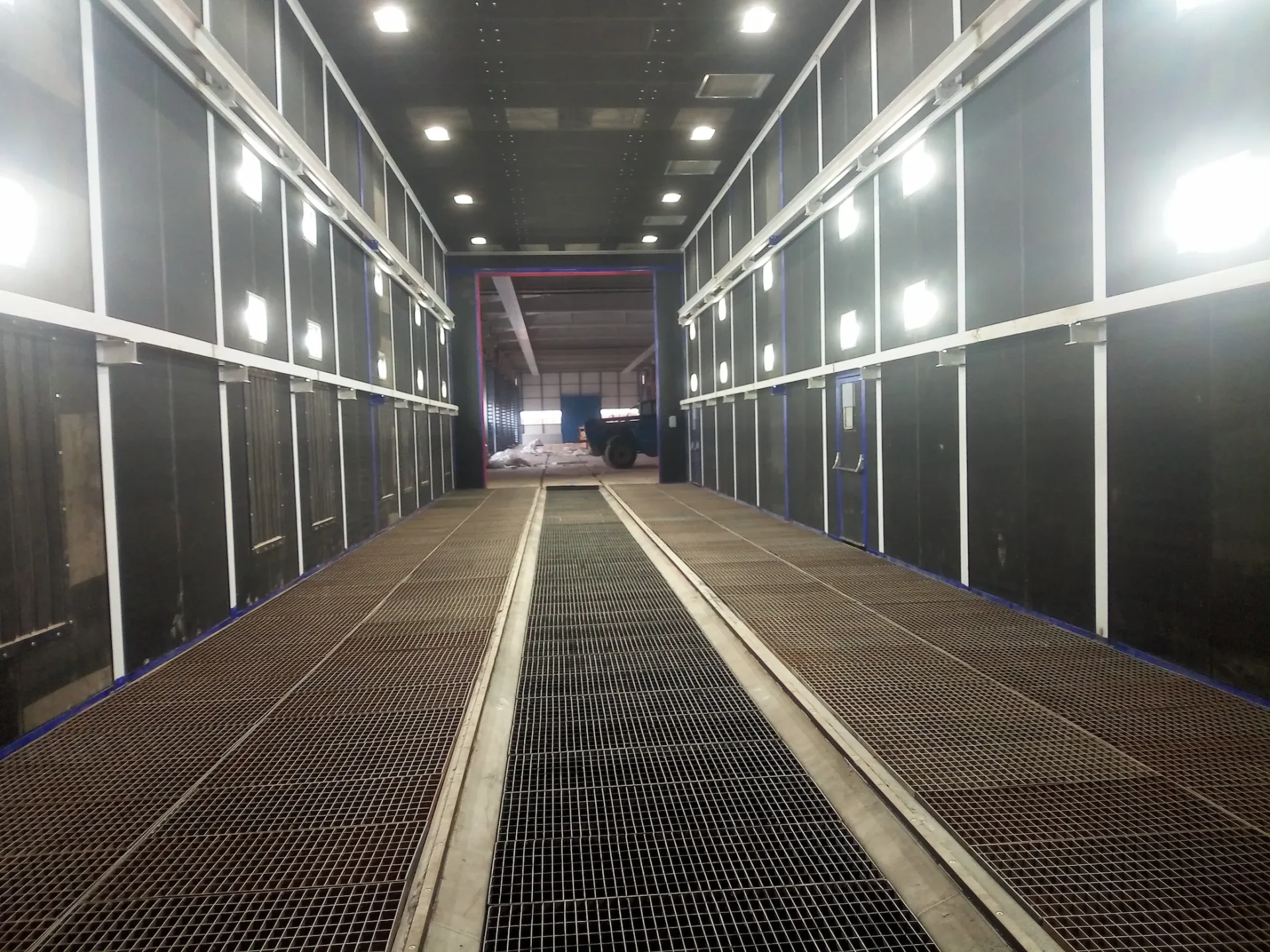
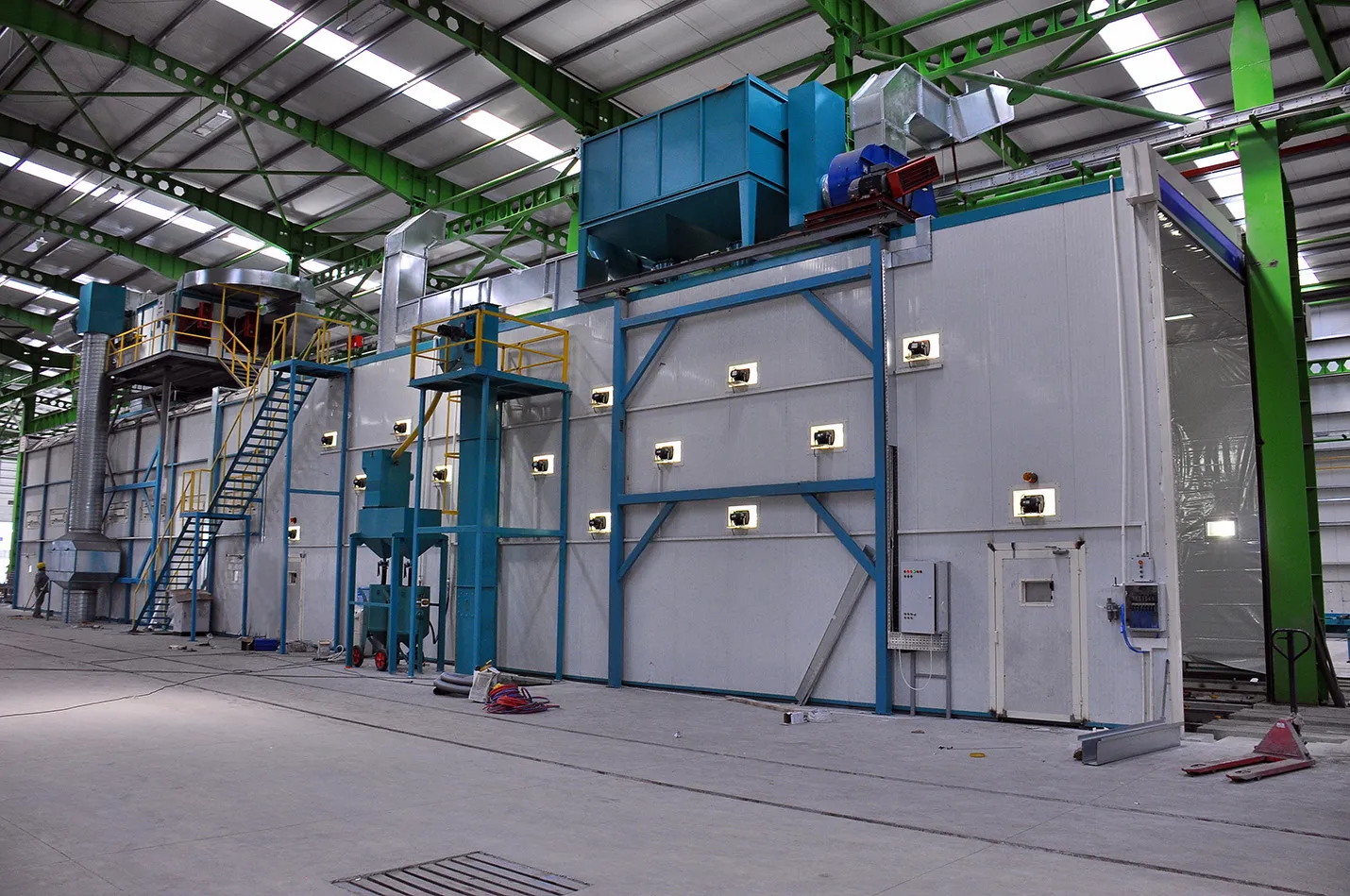
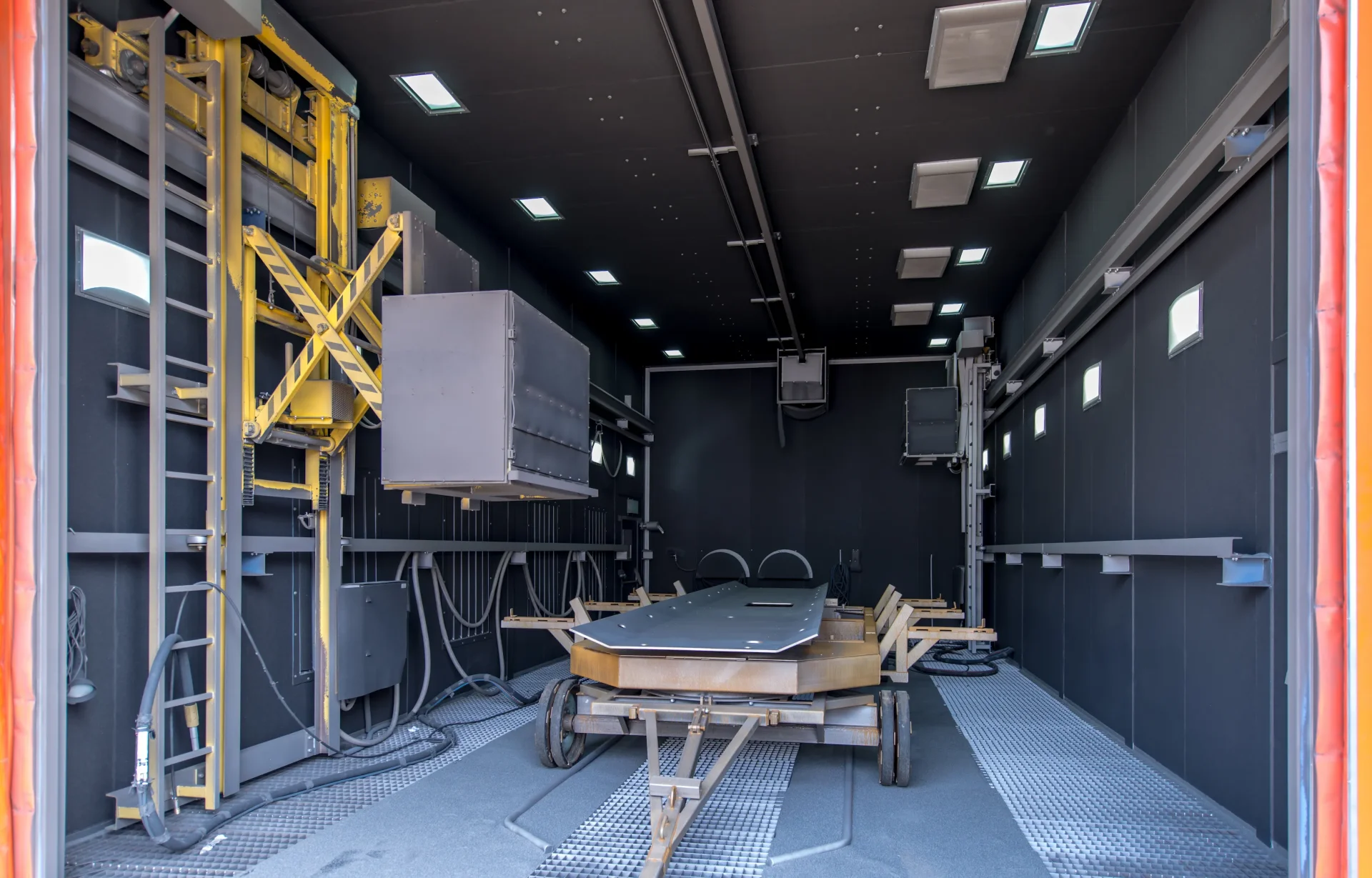
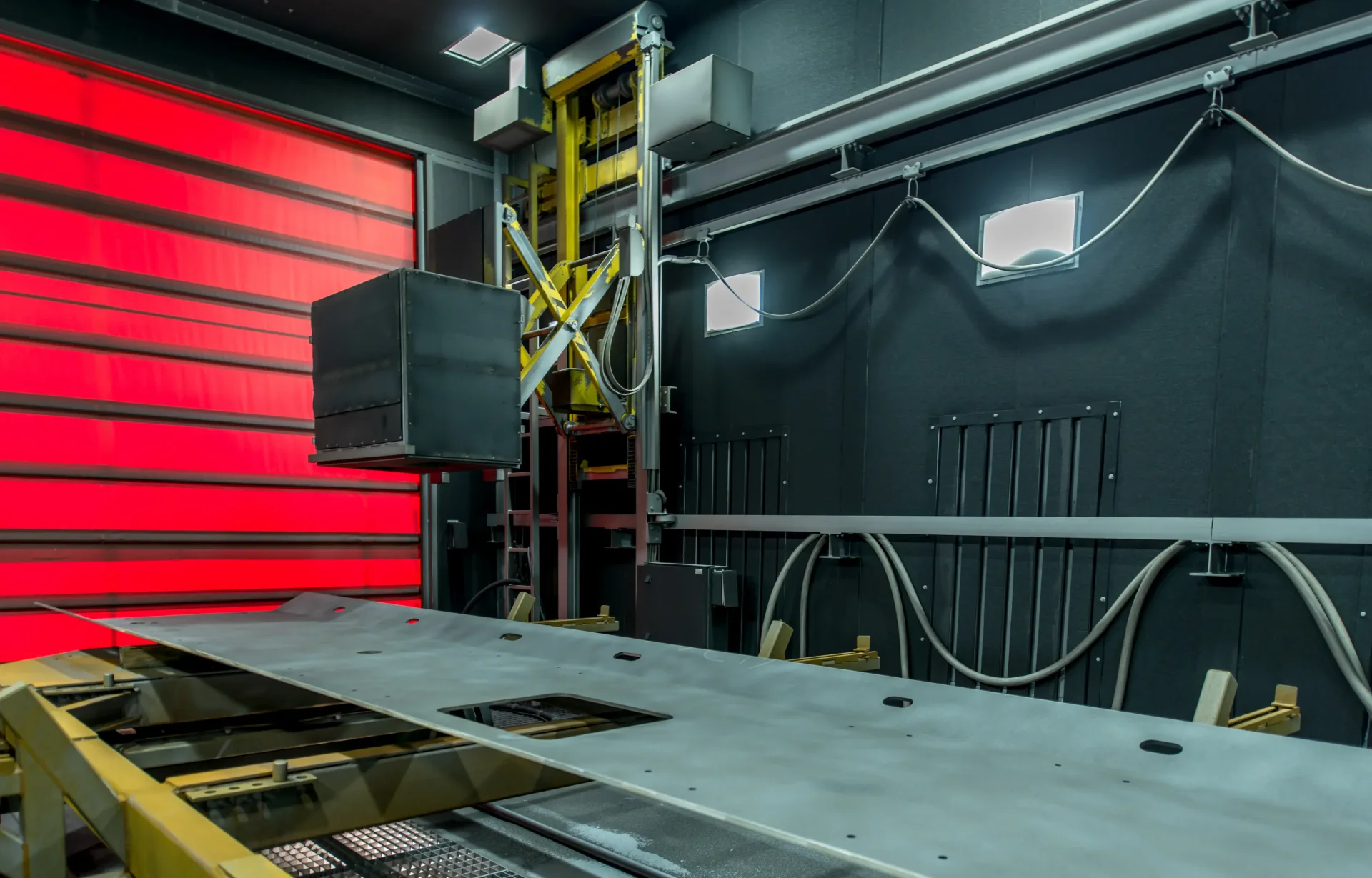
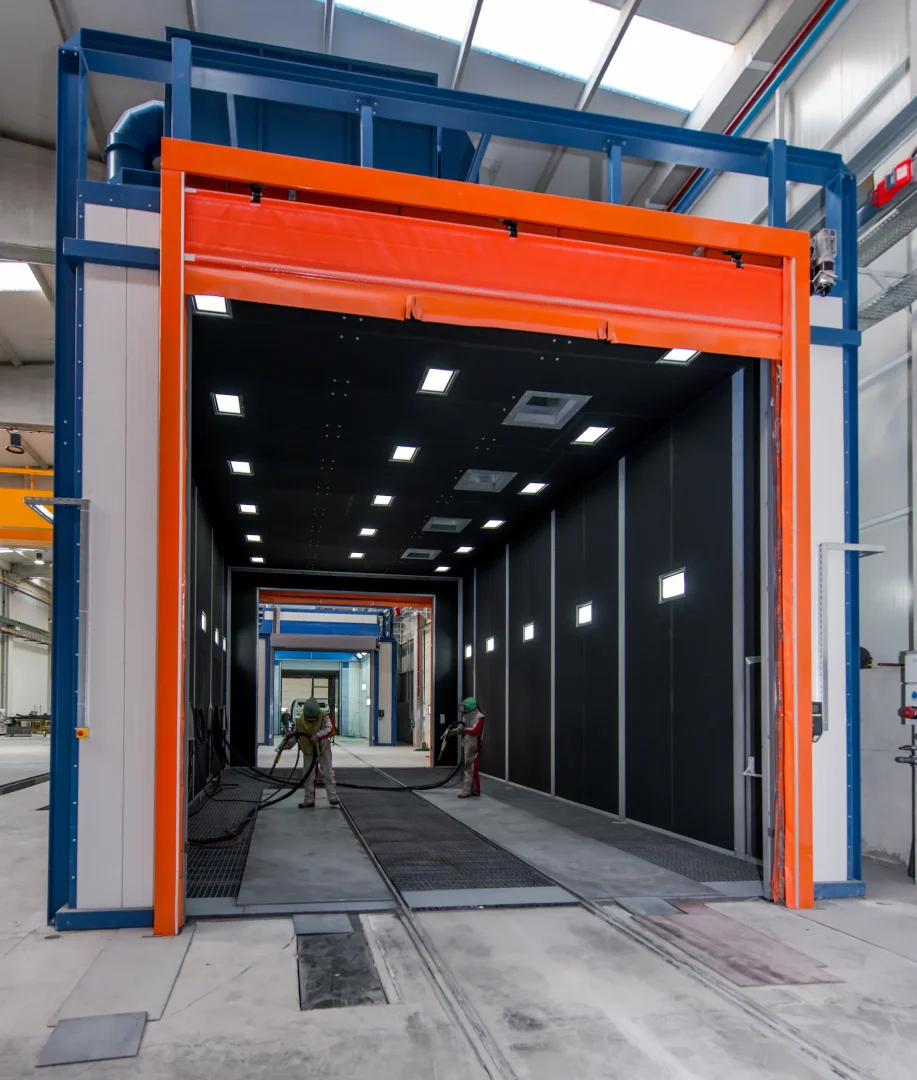
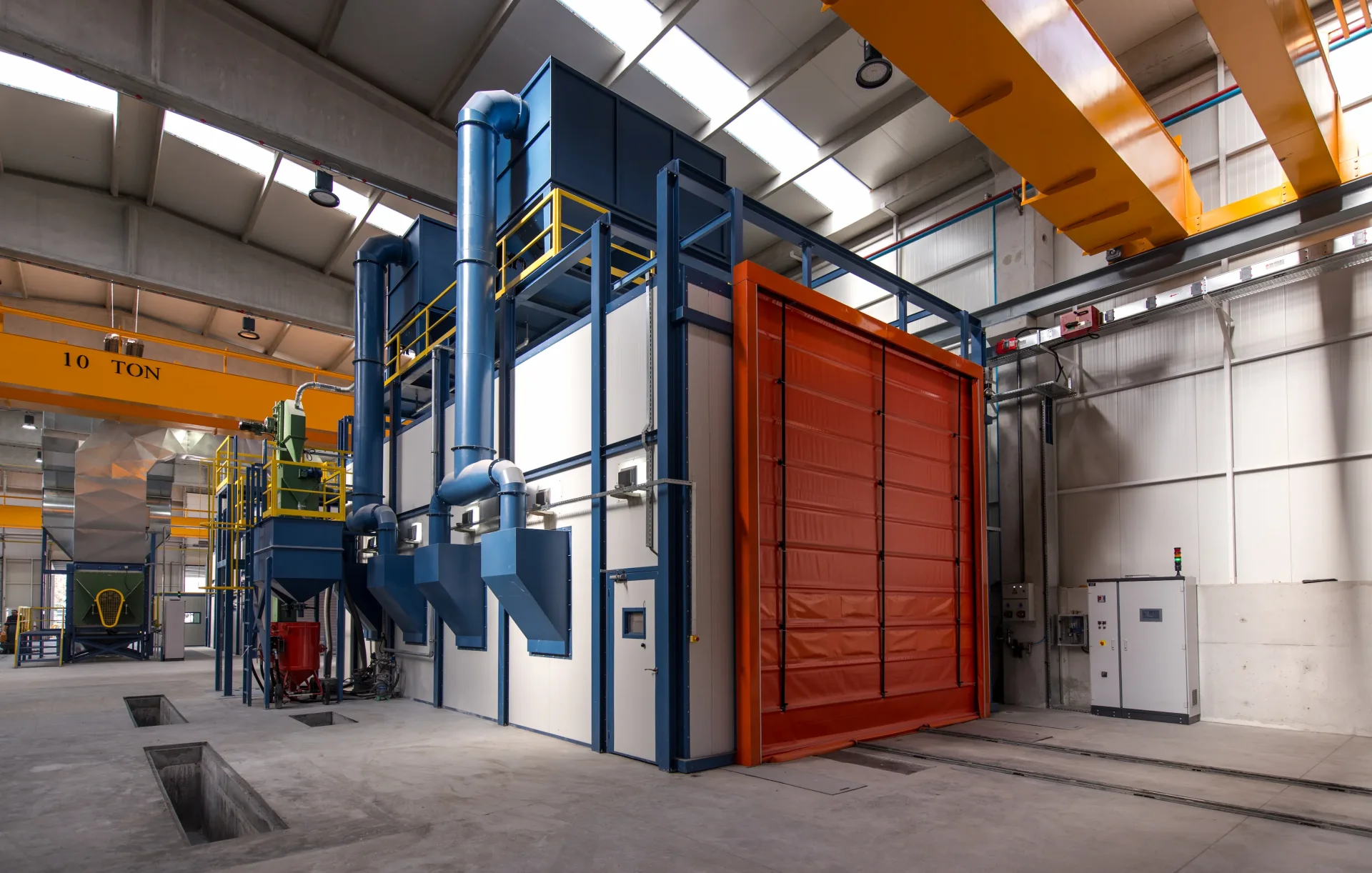
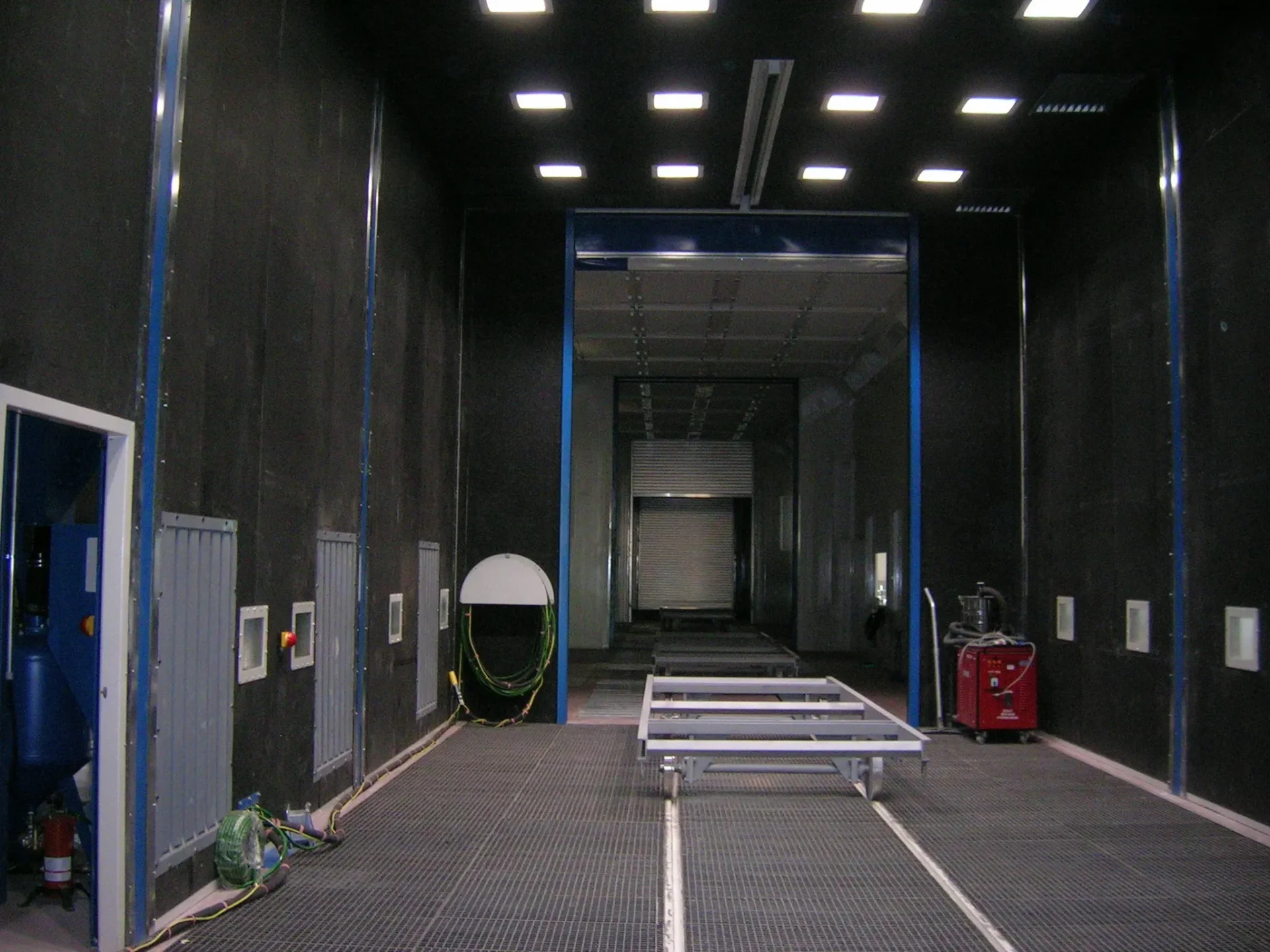
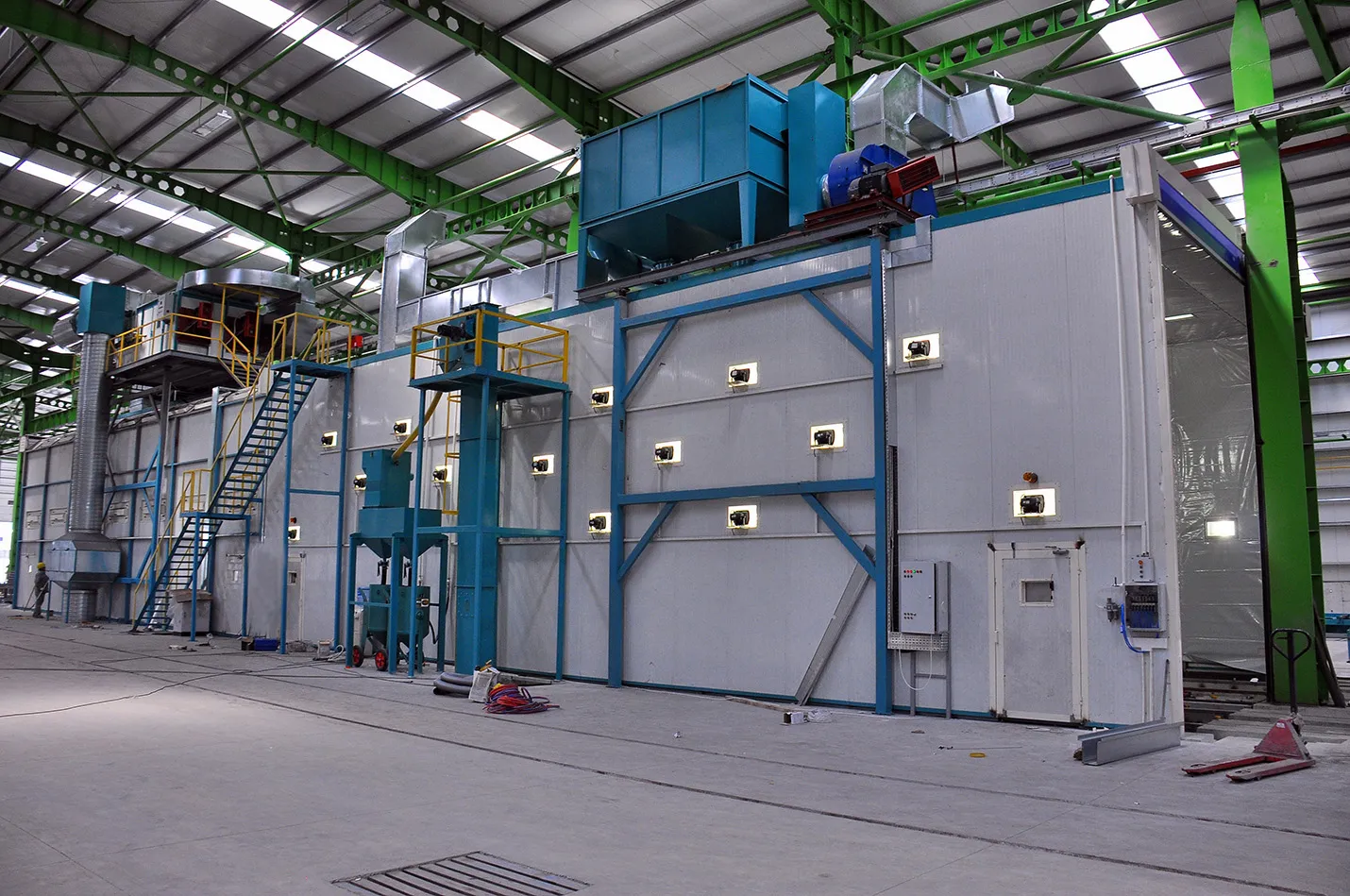
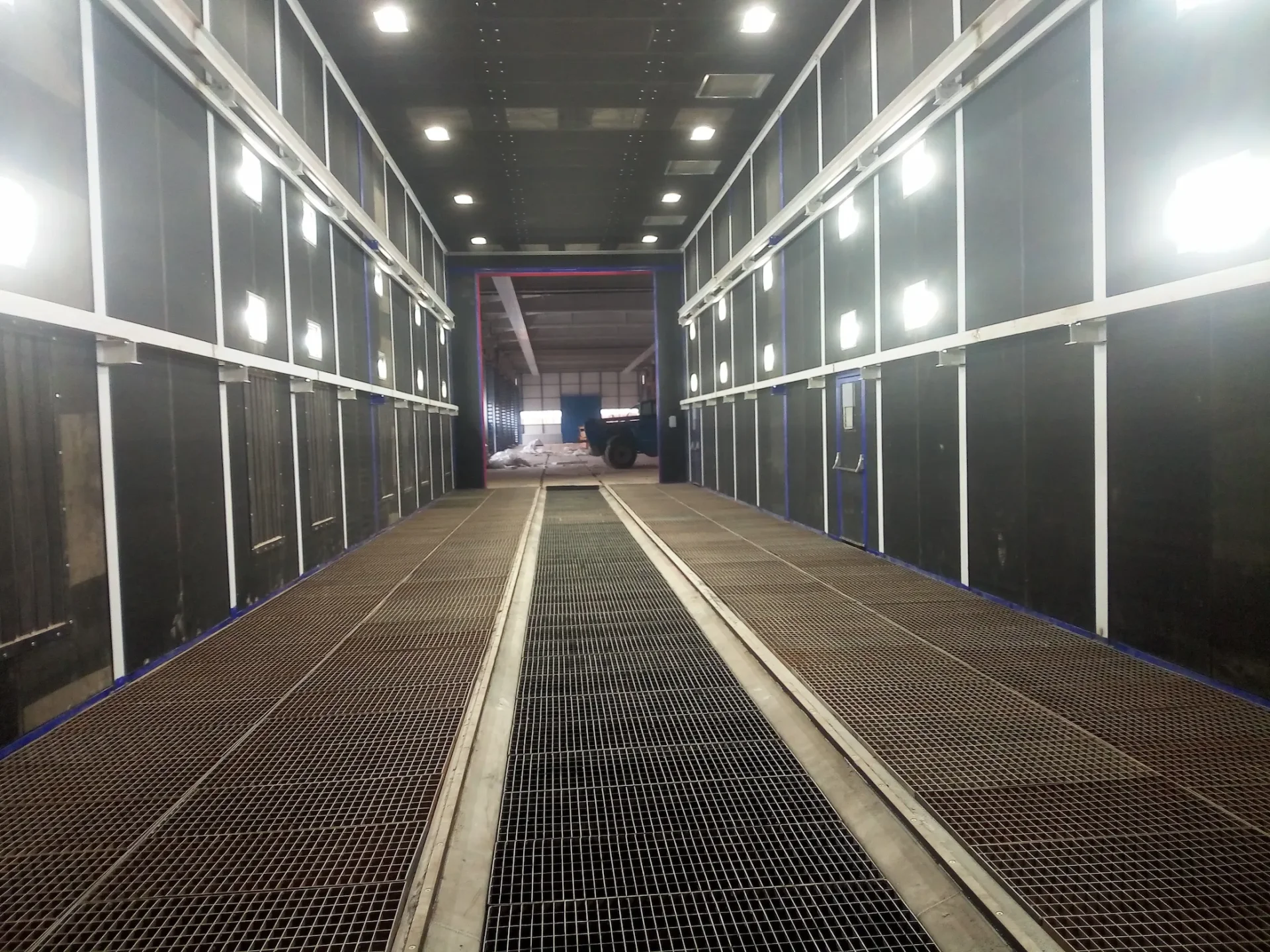
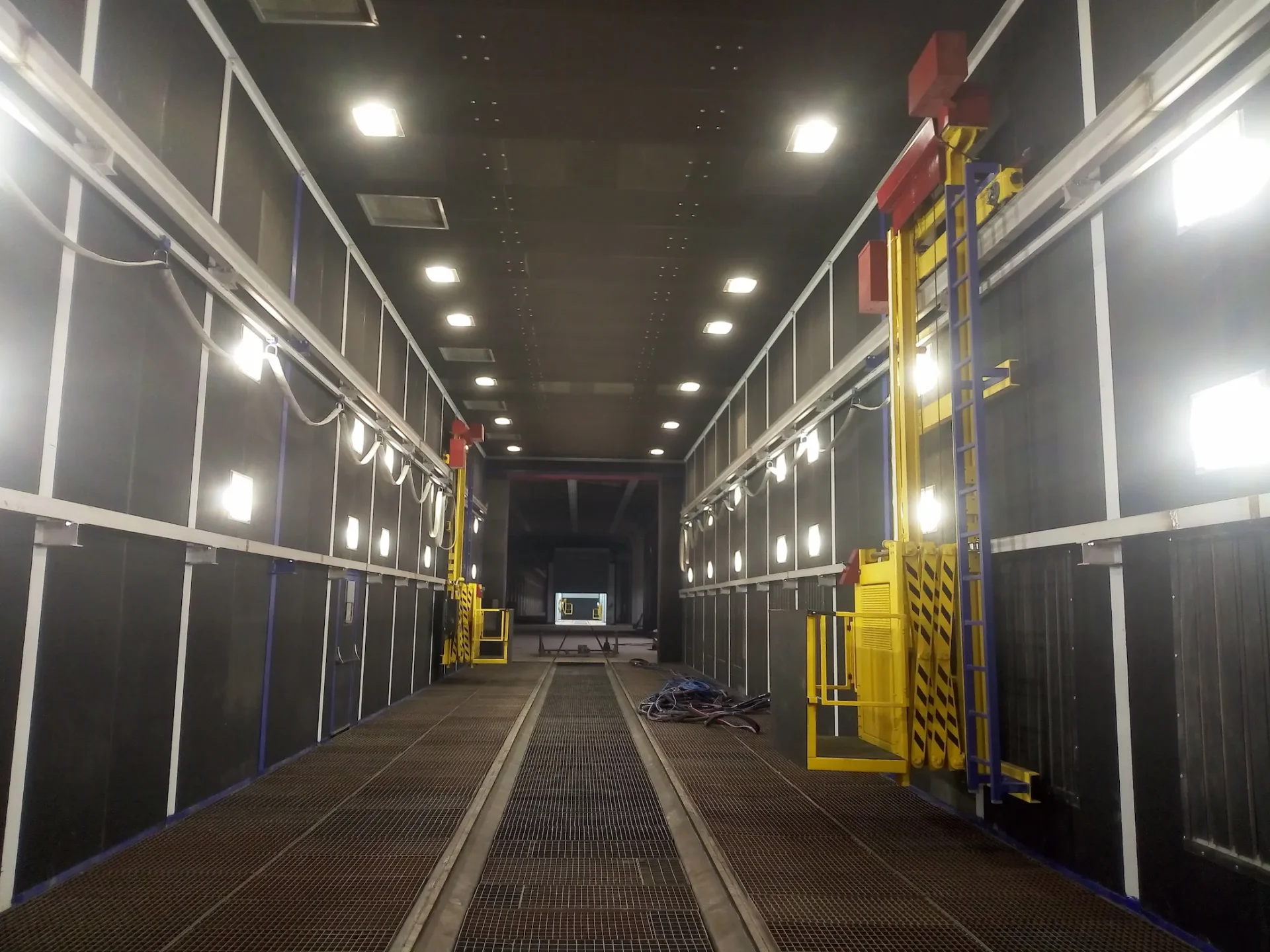
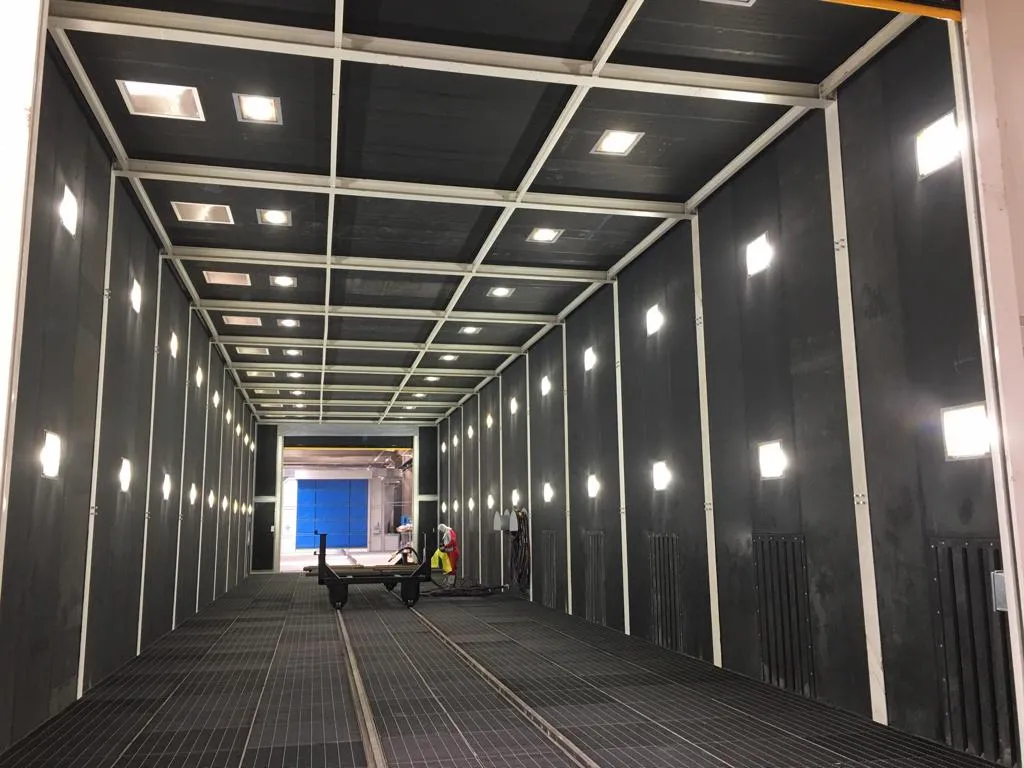
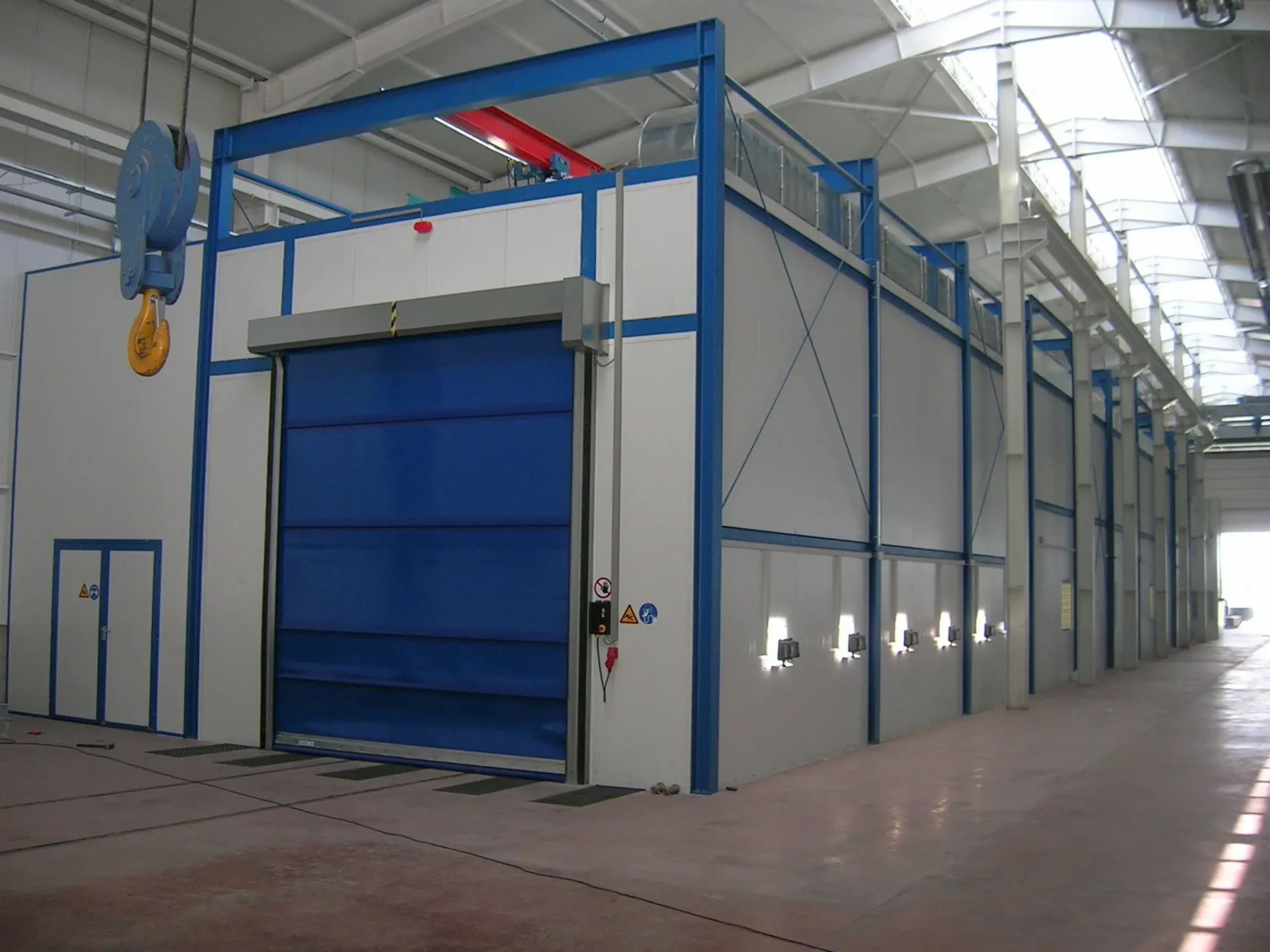
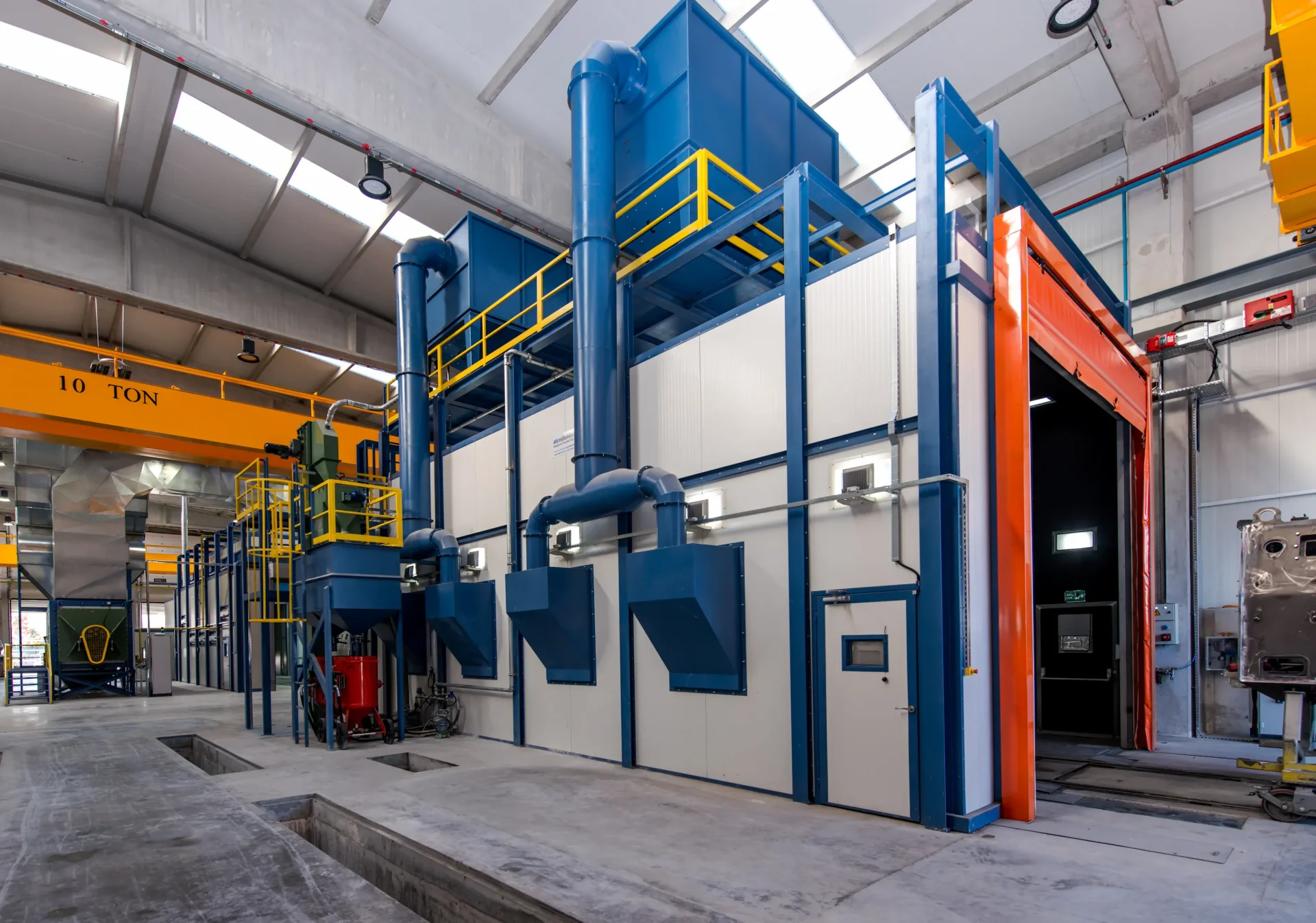
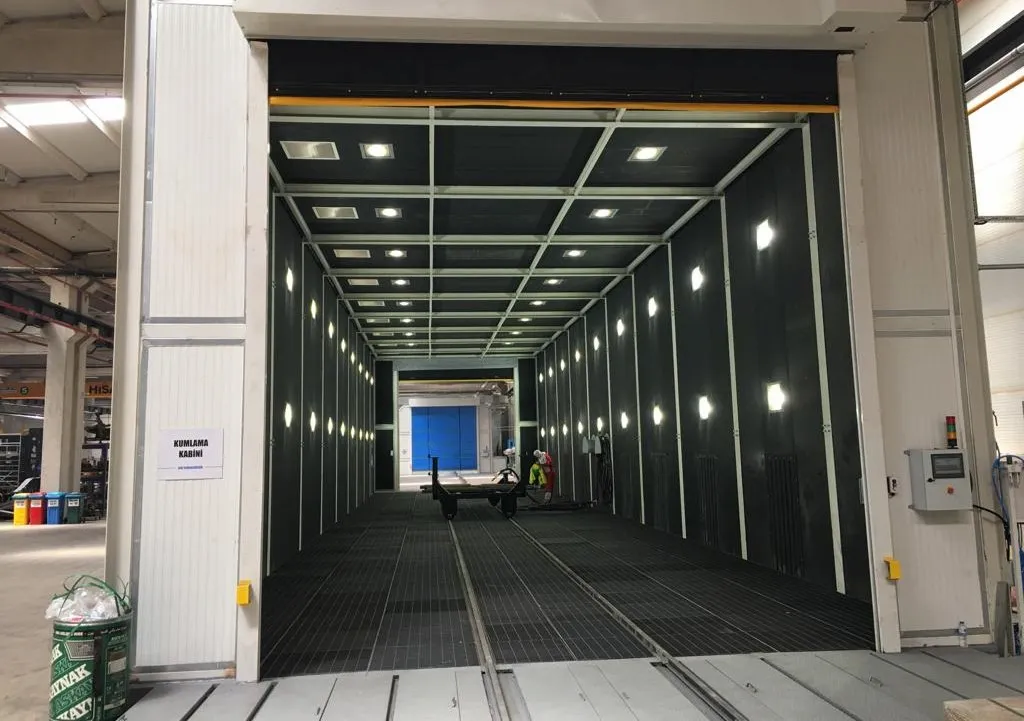
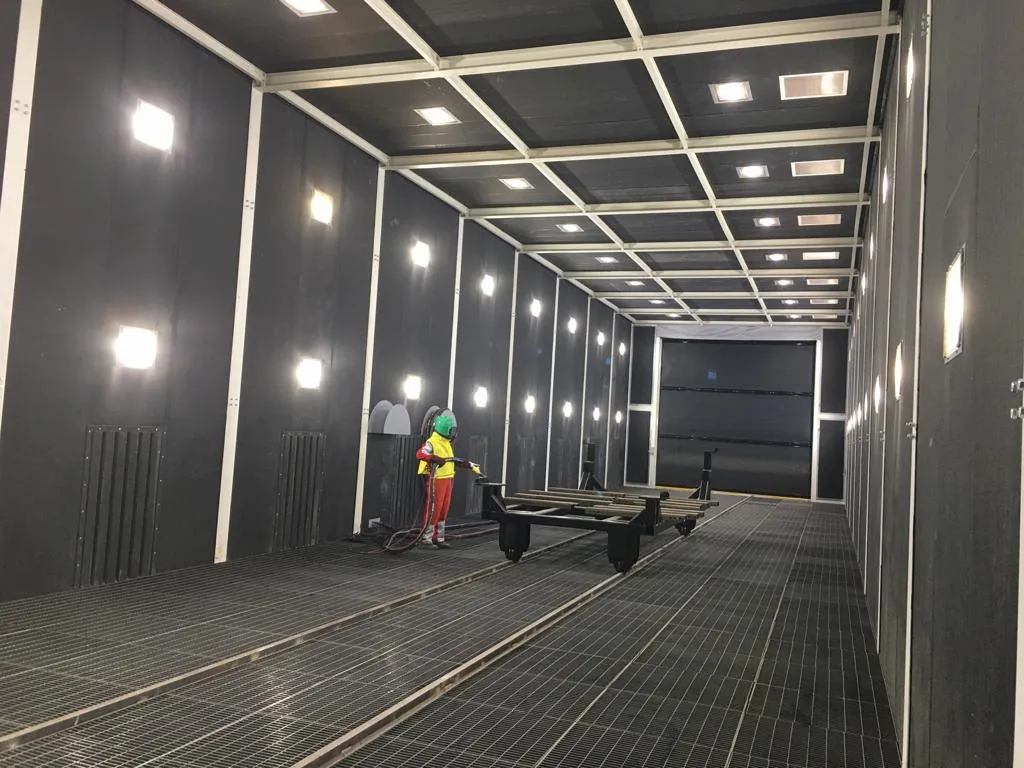
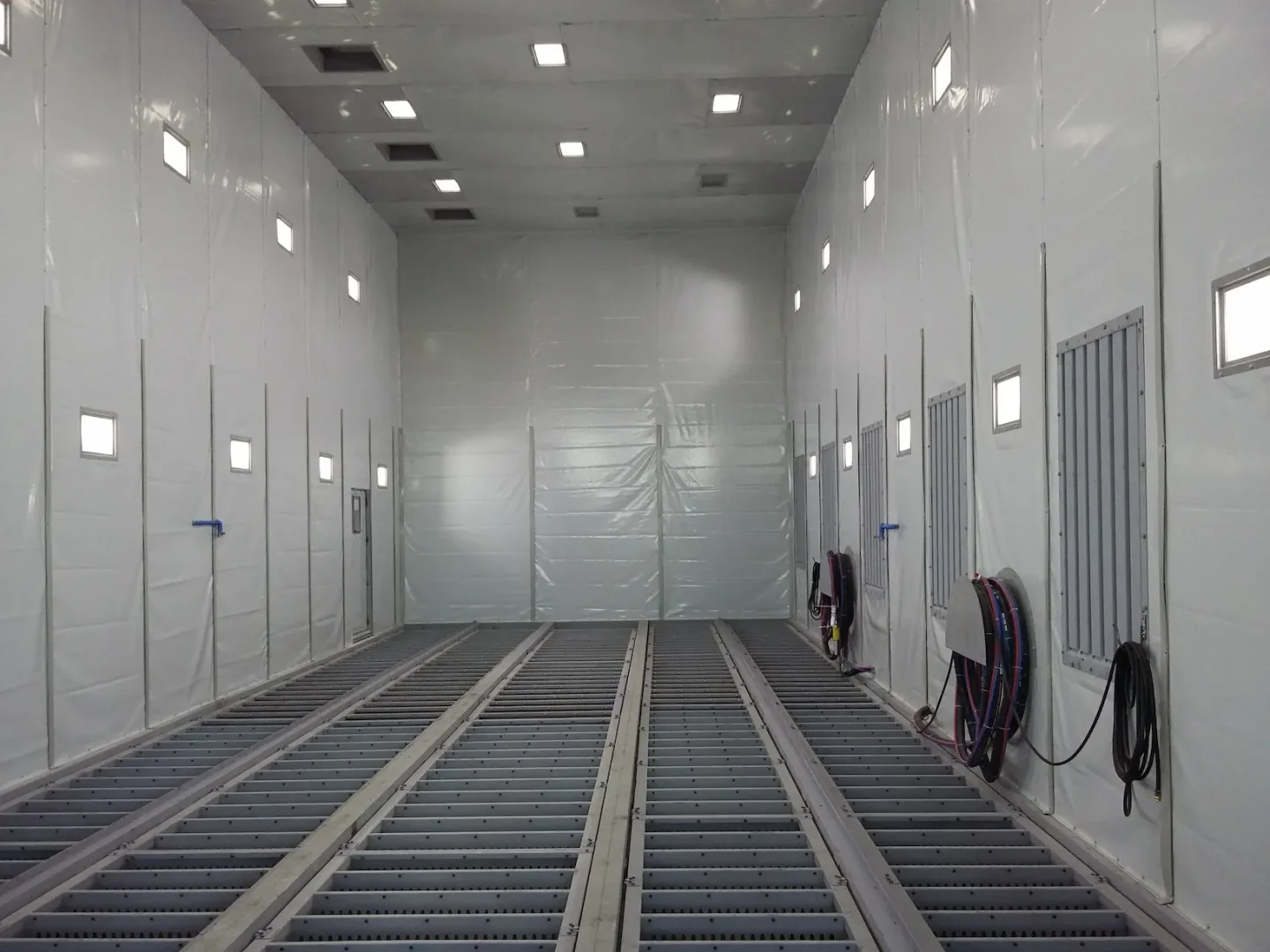
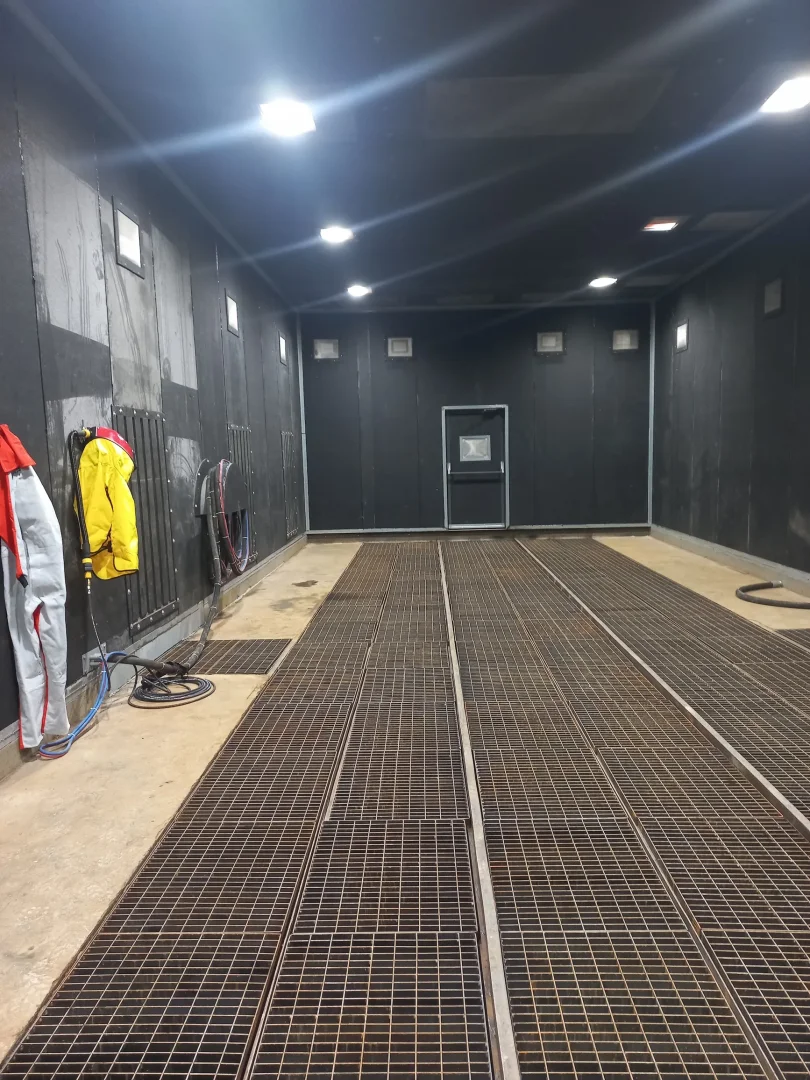
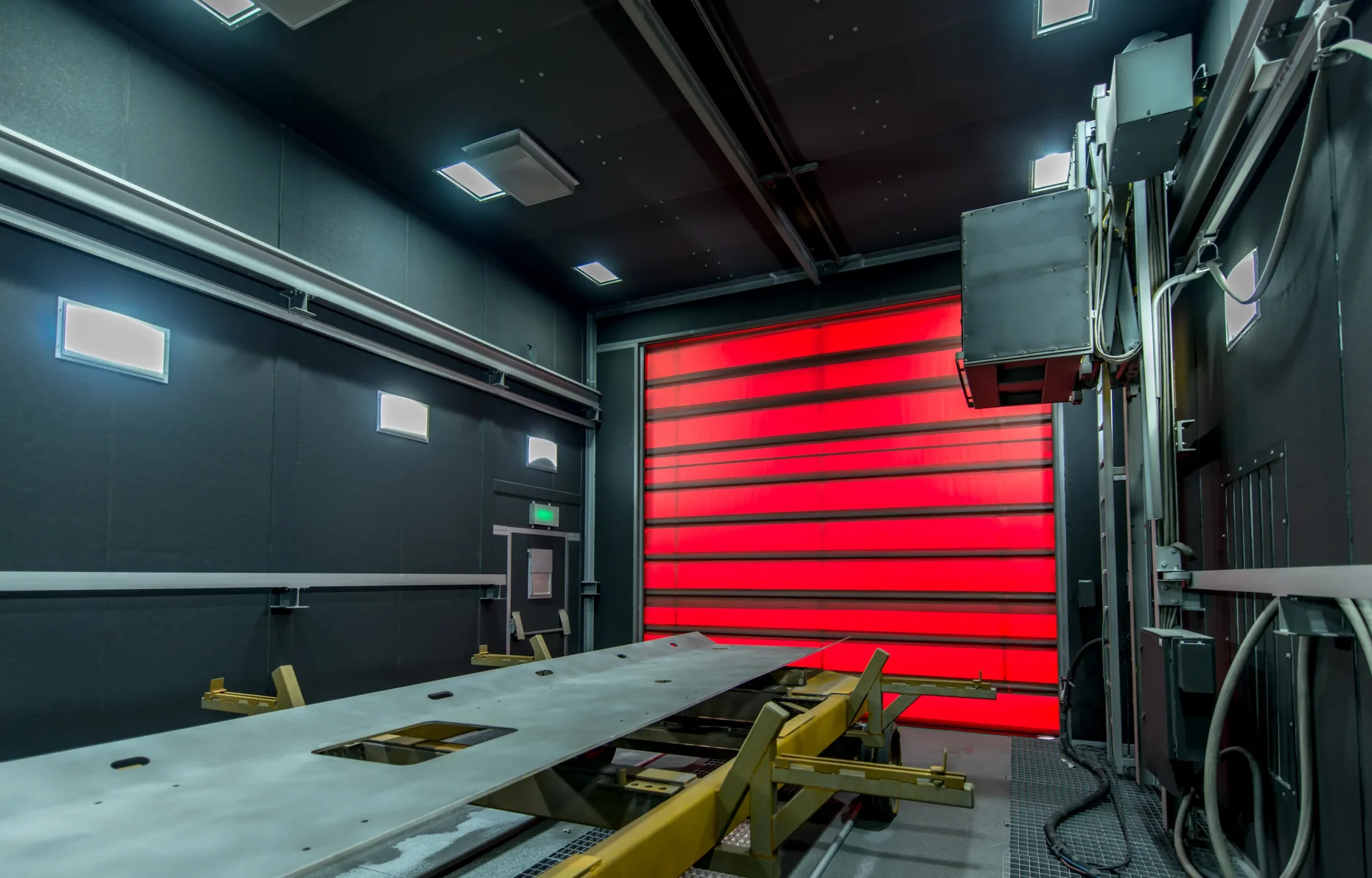
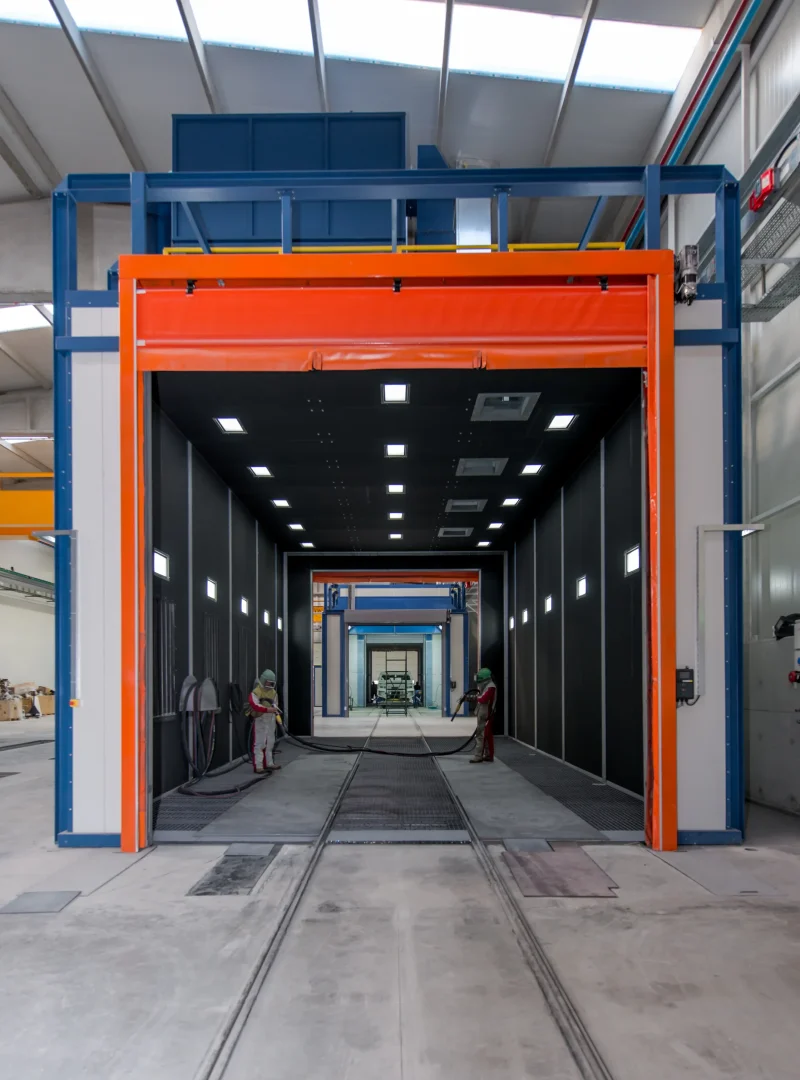
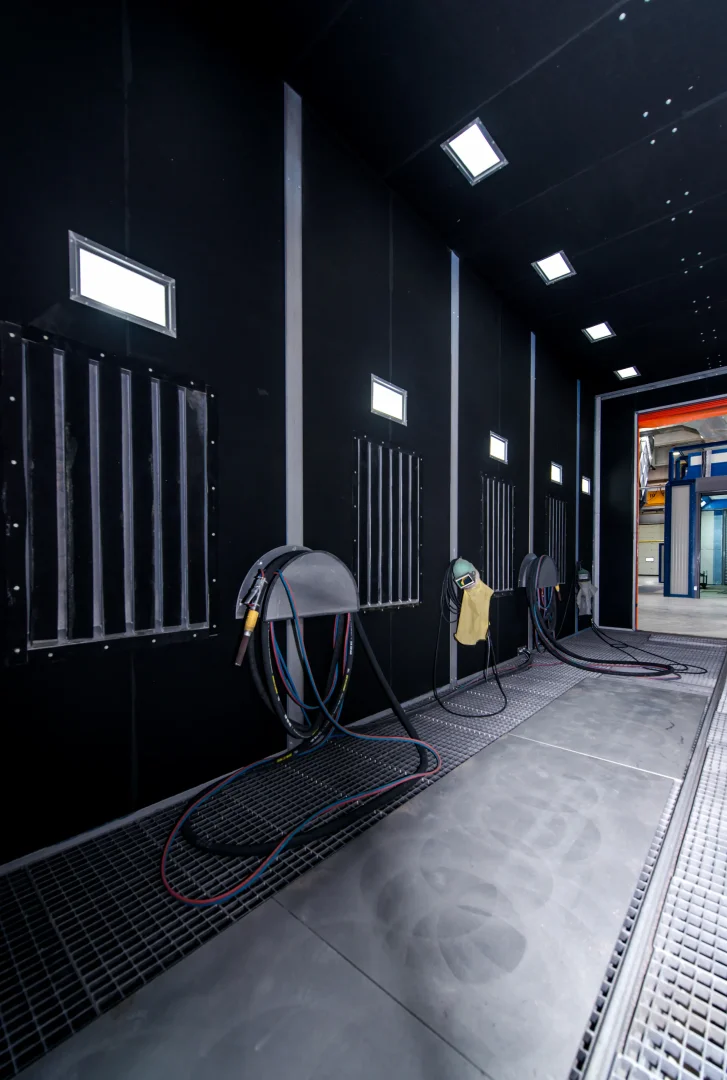
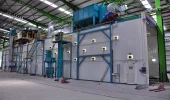
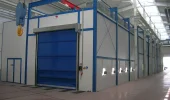
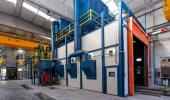
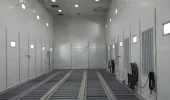
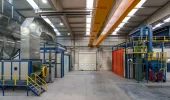
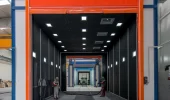
Sandblasting Cabinets
Surface preparation prior to painting is critical for quality and efficiency. A surface properly blasted under correct conditions; free from oil, rust, mill scale and slag and micro-abraded to enhance paint adhesion is a prerequisite for quality and durability.
- Improves coating adhesion and corrosion resistance through controlled surface roughness,
- Meets surface standards such as ISO 8501, SA 2.5, as required by technical specifications,
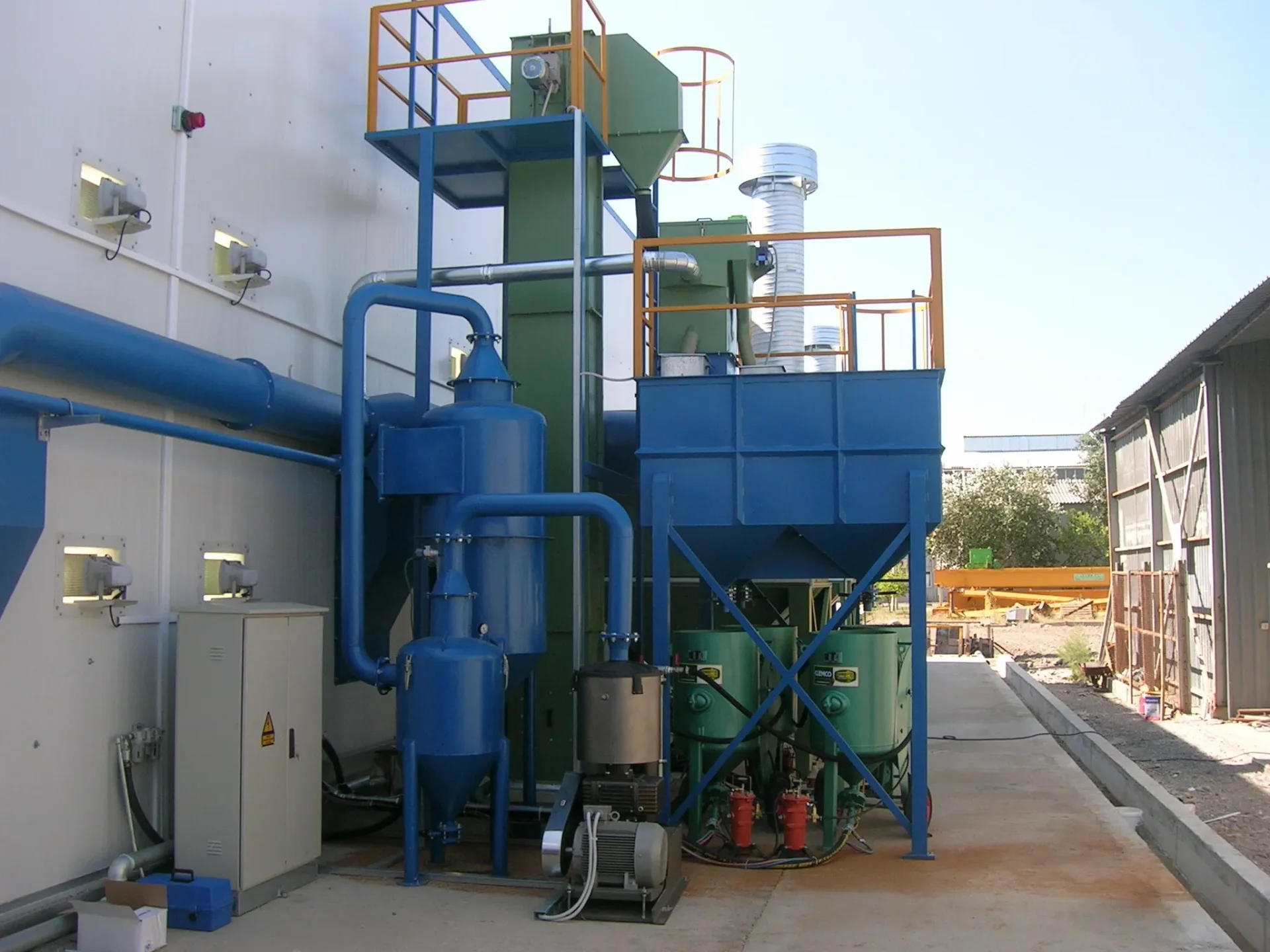
- Controls dust emissions with filtration systems, ensuring worker and environmental safety,
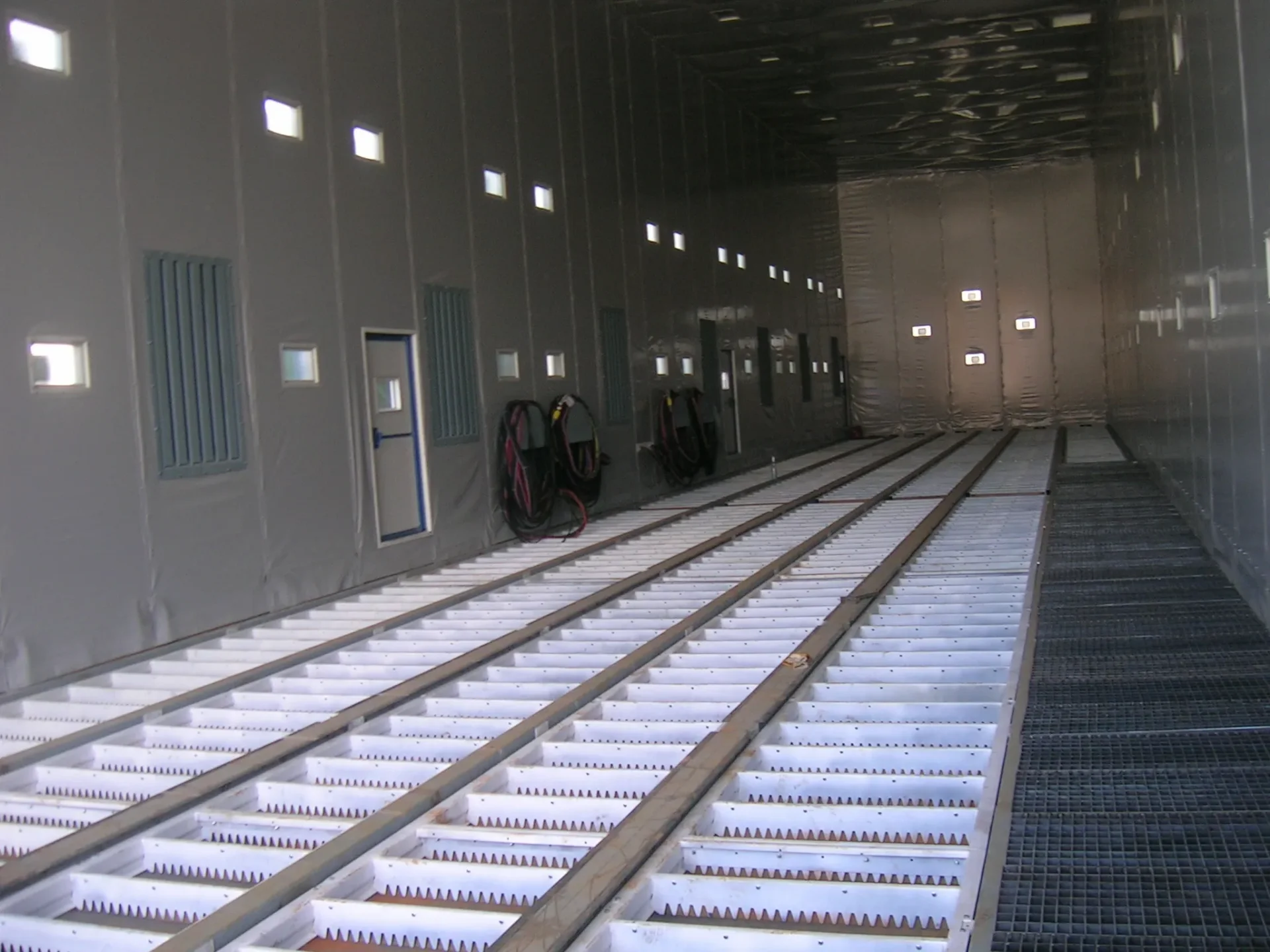
- Reduces consumable usage with abrasive recovery units,
- Eliminates outsourcing blasting costs and transportation risks,
- Typically achieves return on investment within approximately 36 months in medium and high-volume production,
- Allows urgent works and revisions to be completed without delay,
- Standardizes surface preparation into a measurable and repeatable process.
FAQ
Sandblasting booths are used to remove rust, oil, mill scale, slag, and other unwanted contaminants from metal surfaces. The blasting process also creates controlled surface roughness, helping paints and protective coatings achieve stronger adhesion to the substrate.
Proper sandblasting prepares the surface for subsequent paint or coating application. The microscopic surface profile created during blasting improves coating adhesion and can contribute to increased corrosion resistance and a longer coating service life. For this reason, surface preparation by blasting is an important stage in achieving a durable paint system.
With the appropriate blasting system and correctly defined process parameters, surface preparation grades such as Sa 2.5 specified under ISO 8501 can be targeted. The required surface quality depends on factors such as the abrasive material, blasting duration, initial surface condition, and the technical specifications of the project.
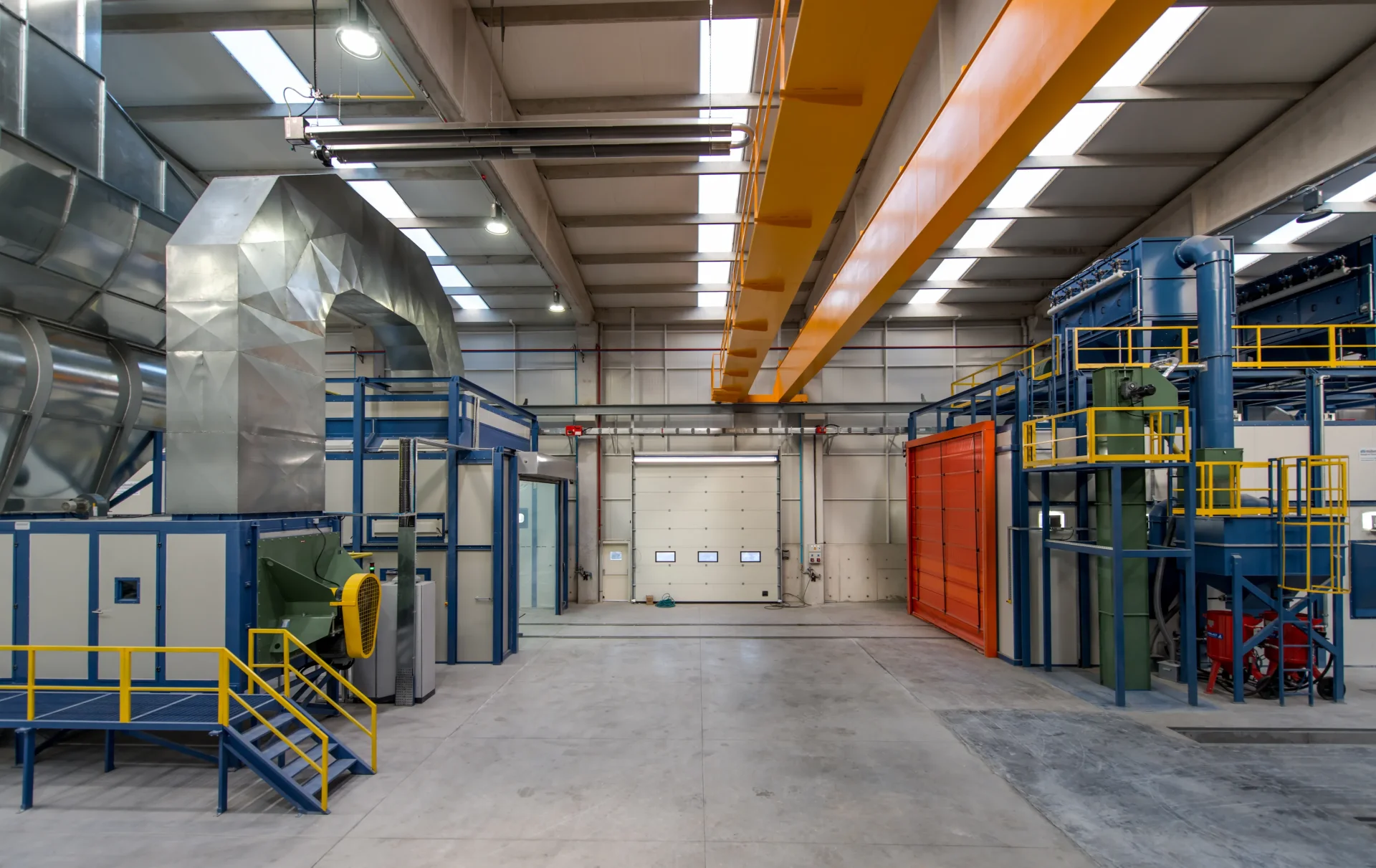
Dust and airborne particles generated during the blasting process are extracted through suitable ventilation and filtration systems. This helps control the dust concentration inside the booth, improves visibility for the operator, and reduces the spread of particles into the surrounding production environment.
Yes. With suitable abrasive recovery and separation systems, reusable abrasive material can be separated from dust and contaminants and returned to the blasting process. This helps reduce abrasive consumption and can contribute to lower and more predictable operating costs, particularly in medium- and high-volume production environments.